Eating Well in Tenerife: Traditional Canarian Food and Dining
Canarian food reflects the islands' unique location and history, combining Spanish, African, and Latin American influences. Eating in Tenerife means exploring flavours distinct from mainland Spain and far from typical tourist fare.
Signature Canarian Dishes
Papas arrugadas—small potatoes boiled in salt water—are the foundation of Canarian dining. They're served with mojo sauce, either red (spicy) or green (herb-based). This simple dish appears everywhere from street stalls to fine restaurants.
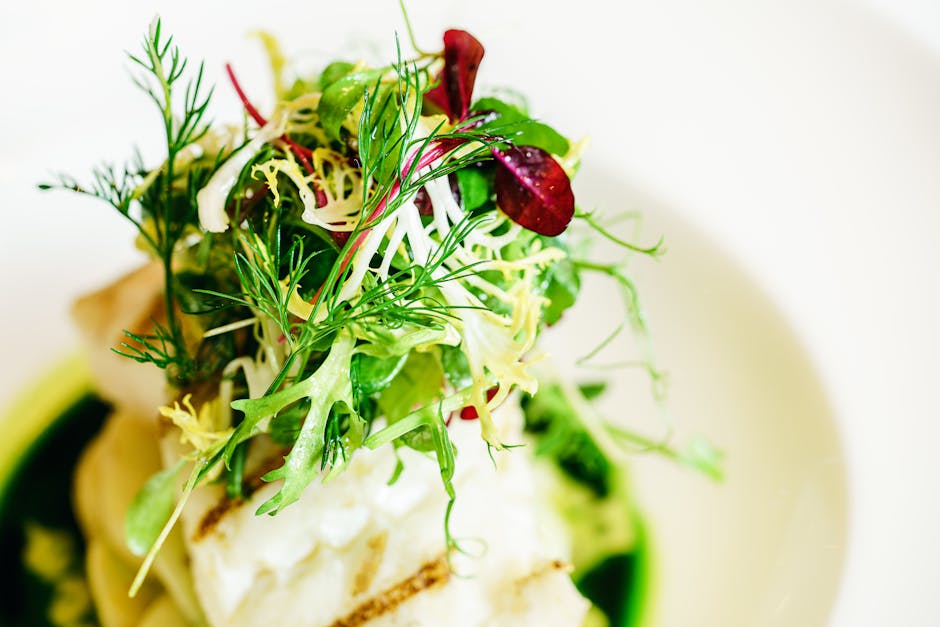
Fresh fish dominates coastal menus. Vieja (parrotfish), cherne (grouper), and boquerones (anchovies) are local specialities, typically grilled simply with lemon and olive oil. Gofio, a toasted grain flour, appears in both sweet and savoury dishes and is uniquely Canarian.
Ropa vieja—shredded meat stew—is hearty and flavourful. Caldo de papas, a potato and fish soup, is warming and authentic. Wrinkled skin sausage (morcilla) and cheese from local producers reflect the islands' rural heritage.
Where to Eat Authentically
Avoid tourist restaurants in major resorts; they serve diluted versions of real Canarian food. Instead, head to local neighbourhoods in Santa Cruz, La Laguna, or Puerto de la Cruz. Look for busy restaurants filled with locals—a reliable sign of authentic food and fair pricing.
Mercados (markets) often have food stalls serving fresh ceviche, grilled fish, and traditional snacks. The markets in Santa Cruz and Puerto de la Cruz are excellent for breakfast or lunch at fraction of restaurant costs.
Seafood and Fish
Tenerife's fishing heritage means exceptional seafood. Espetos—fresh fish grilled on the beach—are iconic. Visit fishing villages like Las Gaviotas or Candelaria for the freshest catches. Many beach restaurants will grill fish you've selected directly from their counter.
Wine and Drinks
Canarian wines, particularly from the volcanic slopes of Tenerife, are excellent and often overlooked. Local varieties like Listán Blanco are crisp and food-friendly. Rum production has deep roots here; try local varieties neat or in traditional mojitos.
Dining Culture
Lunch (comida) is the main meal, typically between 1–3pm. Dinner (cena) is lighter and eaten late, around 8–9pm. Many restaurants close between lunch and dinner service. Tipping isn't obligatory but rounding up or leaving 5–10% is appreciated.
Embrace local food culture and your taste buds—and wallet—will thank you.