Private dental care includes a variety of services designed to help maintain and improve dental health. General dentistry concentrates on routine dental exams,oral consultations as well as cleanings and preventive measures against common gum disease or cavities. It is crucial to maintain optimal oral health to avoid dental problems which may result from carelessness or inattention.
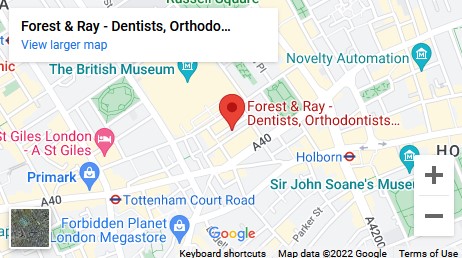
Private dental care extends beyond general dental care to include aesthetics with cosmetic dentistry. Cosmetic dentistry is focused on improving the appearance of your teeth and the smile in general. From teeth whitening and veneers to gum contouring using composite bonding Each procedure is custom-made to meet individual needs and preferences. In addition,options for tooth replacement like bridges and implants along with orthodontics such as retainers and braces help in reshaping teeth,fixing bite issues and replacing missing ones,supplementing to the aesthetic appeal and functional effectiveness of your teeth. Private dentist London is right next to the British Museum.
Understanding the different specialties in dentistry
The field of dentistry is focused on maintaining the health of your mouth it also has numerous areas of expertise. Each type of dentistry is focused on a different aspect of dental care. General dentistry,usually the entry point to more dental services,is a regular procedures like cleanings extractions,and fillings. The scope of a general dentist's job is quite significant including diagnosis and consultations also forming an integral part of their role.
Inquiring more deeply into the private dental industry,there are further specialties to consider. Cosmetic dentistry is a specialization that focuses on the aesthetics of the mouth and teeth. It offers services like whitening,veneers and bonding. A different area of expertise is Orthodontics,dealing with the correction of misaligned or crooked teeth and jaws,often using braces or clear aligners. The last aspect of dental treatment is tooth replacement,which comprises bridges,implants and dentures. The procedures are generally included in the Prosthodontics category. Although each specialization is unique however,they all function to provide a comprehensive dental solution.
The most crucial factors to Take into Account when deciding on an Dentist
The process of selecting a qualified dentist can be a daunting task considering the many dental specialities,each tailored to meet a specific need. It is crucial to understand the different specialties in order to make an informed choice in particular when evaluating private providers of top-quality services. General dentistry is often the main focus of dental care. It deals with common dental problems and preventative procedures in order to preserve the health of your mouth. This includes everything from routine cleanings and check-ups to fillings and gum care.
Private dental centers can also provide special services such as orthodontics and cosmetic dentistry. Cosmetic dentistry focuses on to improving the look of your smile. This includes options such as whitening,veneers and bonding. Orthodontics tends to straighten and align teeth with braces and aligners that cater to both health and aesthetic advantages. Additionally,tooth replacement services are an integral part of private dental treatment,offering solutions like bridges,dentures and implants for severely damaged teeth. Knowing your needs will allow you to select the right dentist who is knowledgeable in the area of care for your teeth you require in order to ensure that you receive high-quality individualized treatment.
Explore online resources for London Private Dentists
In today's digital age,online resources have transformed the way people seek out private dental treatment. Exploring these websites can assist prospective patients to find a variety of qualified private dentists in London that offer a variety of services. If it's general dentistry that is focused on preventative treatment,or more complex procedures such as cosmetic dentistry that includes veneers,teeth whitening,and even dental implants,a wealth of possibilities can be discovered with just a few keystrokes.
Online platforms provide more than just general and cosmetic dentistry. It also opens the door to specialist care including orthodontics which corrects misalignments or malocclusions using braces or aligners. They not only offer a list of potential dentists and dentists,but they also come with customer reviews,ratings and full descriptions of the services. Online resources have been integral in bridging the gap between dental care professionals and patients in need of their expert services.